List of Contributors
Introduction: Women, Gender, and American History
Ellen Hartigan-O’Connor and Lisa G. Materson
Part I. EMPIRE, BOUNDARY CROSSING, AND THE BORDERS OF BELONGING
1. Gender Frontiers and Early Encounters
Kathleen M. Brown
2. Manhood and the US Republican Empire
Toby L. Ditz
3. Women and Conquest in the American West
Deena J. González
4. Women, Gender, Migration, and Modern US Imperialism
Lorena Oropeza
Part II. WORKERS, FAMILIES, AND HOUSEHOLDS
5. Women, Unfree Labor, and Slavery in the Atlantic World
Marisa J. Fuentes
6. Women, Power, and Families in Early Modern North America
Sarah M. S. Pearsall
7. Women and Slavery in the Nineteenth Century
Daina Ramey Berry and Nakia D. Parker
8. Women’s Labors in Industrial and Post-Industrial America
Eileen Boris and Lara Vapnek
Part III. SEXUALITIES, IDENTITIES, AND THE BODY
9. Public and Print Cultures of Sex in the Long Nineteenth Century
Patricia Cline Cohen
10. Interracial Sex, Marriage, and the Nation
Mary Ting Yi Lui
11. Reproduction, Birth Control, and Motherhood in the United States
Rickie Solinger
12. Sexual Coercion in America
Sharon Block
13. Gender, the Body, and Disability
Rebecca Kluchin
14. Transgender Representations, Identities, and Communities
Jen Manion
Part IV. CULTURE, COMMMERICE, AND RELIGION
15. Women, Trade, and the Roots of Consumer Societies
Serena R. Zabin
16. Gender and Consumption in the Modern United States
Tracey Deutsch
17. Women at Play in Popular Culture
M. Alison Kibler
18. Women, Gender, and Religion in the United States
Ann Braude
Part V. ACTIVISM
19. Religion, Reform, and Anti-Slavery
Margaret Washington
20. Women’s Rights, Suffrage, and Citizenship, 1789-1920
Ellen Carol DuBois
21. Women, Gender, Race, and the Welfare State
Rhonda Y. Williams
22. US Feminisms and Their Global Connections
Judy Tzu-Chun Wu
23. Sexual Minorities and Sexual Rights
Marcia M. Gallo
24. Women, Gender, and Conservatism in Twentieth-Century America
Michelle Nickerson
Part VI. WAR AND TRANSFORMATION
25. Women, War, and Revolution
Kate Haulman
26. Women, the Civil War, and Reconstruction
Hannah Rosen
27. Women and World War in Comparative Perspective
Meghan K. Winchell
28. Gender, Civil Rights, and the US Global Cold War
Dayo F. Gore
Index
Biography
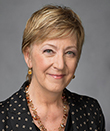 Marcia M. Gallo received her Ph.D. with distinction from the City University of New York Graduate Center in 2004. She published her first book, the prizewinning Different Daughters: A History of the Daughters of Bilitis and the Rise of the Lesbian Rights Movements, in 2006 (Carroll & Graf); it was reissued in 2007 (Seal Press).
In 2015, Gallo published “No One Helped”: Kitty Genovese, New York City, and the Myth of Urban Apathy(Cornell University Press), which examines the story of Catherine “Kitty” Genovese, whose rape and murder in Queens, New York in 1964 became an international symbol of urban decay. Described as “incisive,” it explores the construction and promotion of an infamous true crime story within the context of the social movements of the times. “No One Helped” won both the 2015 Lambda Literary Award for LGBT Nonfiction and the 2015 Publishing Triangle Judy Grahn Award for Lesbian Nonfiction; it also was a finalist for the 2015 USA Best Book Awards (USA Book News) for Gay & Lesbian Nonfiction.
Gallo also has contributed essays and book chapters exploring post-World War II feminism, progressive queer politics, and oral history methodology to journals as well as edited collections.
As Associate Professor of History at the University of Nevada, Las Vegas, Gallo teaches undergraduate and graduate courses on race, gender and sexuality as well as, oral history and public history. She serves as President of the Southwest Oral History Association for 2015-17.



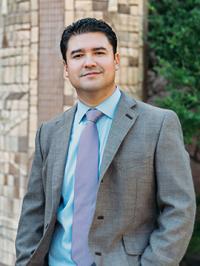 Juan Coronado, SOHA Co-President, will be speaking at the University of Nevada, Las Vegas (UNLV) for the University Forum. It is scheduled for Wednesday March 13. It is sponsored by the History Department, College of Education, Oral History Research Center, SOHA, Phi Alpha Theta, and QUNLV.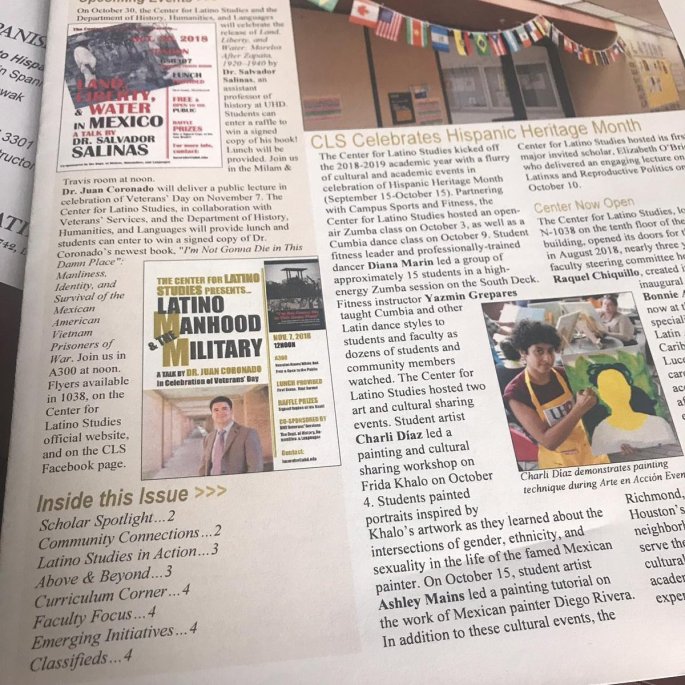
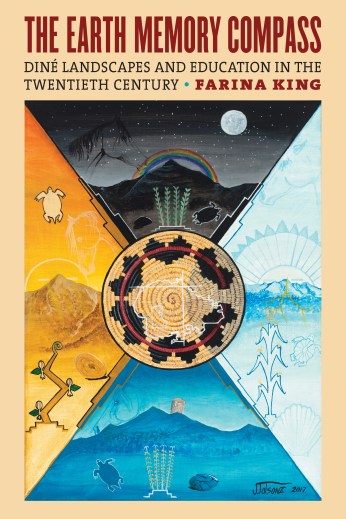 Congratulations to Farina King, SOHA 2nd VP, for her recent book publication!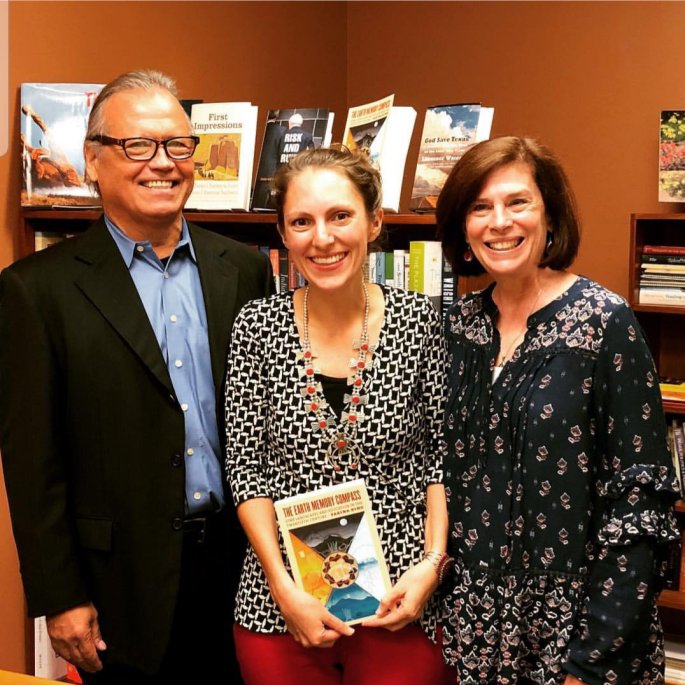


 Her latest book, “
 Southwest Oral History Association